
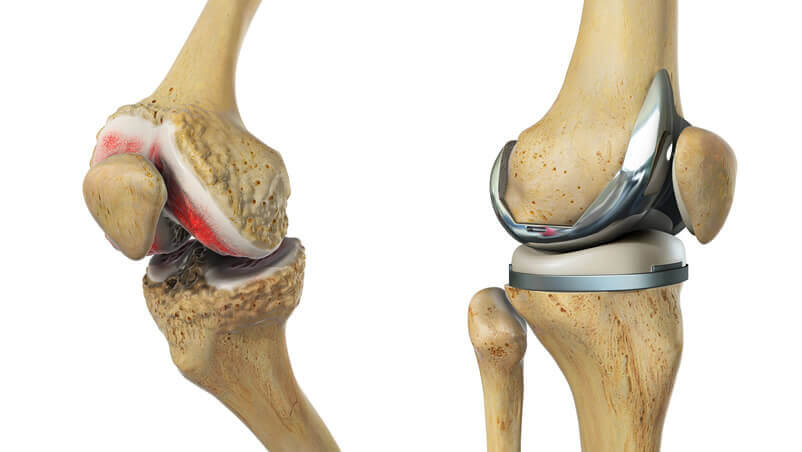
The number of people facing joint problems is increasing at a rapid pace. This problem is noticed mostly among seniors and the elderly people. Even those who are into specific occupations and professions are faced with such problems and hence, will require to take the assistance of the best orthopedic surgeons in chennai. The qualified and highly respected surgeons are sure to recommend non-operative and operative techniques.
Continue reading
Chemotherapy is a common medical procedure that is being recommended to patients all over the world by qualified and experienced doctors. This is to provide treatment for various types of ailments. But still, patients are found to be concerned with regards to the usage of chemotherapy drugs including its side effects. With cost of chemotherapy in india being reasonable, patients can now lead a disease-free life.
It is used mainly for treating cancer, which is considered to be a dangerous and life threatening disease. It is impotent to diagnose this ailment on time, so as to avail correct and effective treatment. This is often delivered through targeted drug therapy, radiotherapy, surgery and chemotherapy.
The cost of chemotherapy in india is quite affordable allowing cancer patients to get back to their normal lives.
Continue reading
Effective Tips to Find The Best Orthopedic Doctors
A proficient orthopedic medical procedure is intended to treat the issue of the musculoskeletal system that outcome from games wounds or conditions like Carpal Tunnel Syndrome, joint pain, knee, and hip issues. The wellbeing and mending of joints, ligaments, tendons, and bones go under the aegis of orthopedic consideration. An orthopedic medical procedure is most famously used to correct serious knee wounds that outcome from injury or stress coming about because of extraordinary games exercises. An orthopedic medical procedure is likewise successful in the fix of hip wounds that outcome from injury, breaks or joint inflammation. Before, conditions like a tennis elbow were hard to treat. However, the orthopedic medical procedure has made it feasible for sportspeople to recover their movement after they have been dealt with.
Finding the Best Orthopedic Surgeon
 Check the qualifications of any doctor or specialist through a State, Provincial or National Board of Orthopedic Surgeons to discover data about a specific doctor, specialist or authority in different orthopedic treatment and careful fields. An orthopedic specialist can have some expertise in certain body regions. Some spend significant time in fields, for example, sports or injury medication, while others represent considerable authority in the treatment of joint inflammation. Get some information about preparing, knowledge, and qualifications before choosing an orthopedic specialist in Gurgaon, regardless of where you go. Undoubtedly, India has turned into the therapeutic the travel industry capital of the cutting edge world for Orthopedic medical procedure and Knee Surgery. Offering the most recent mechanical advances, experienced and master doctors and specialists and the absolute best in patient consideration.
State-of-the-art orthopedic facilities and highly trained and experienced orthopedic surgeons in India offer knee techniques and procedures such as:
• Arthroscopic meniscectomy
• Bilateral knee replacement
• Meniscal repair
• ACL reconstruction
• PCL reconstruction
• Patellar stabilization
• Total knee replacement
• Unicondylar knee replacement
Some of the tips, which can help you to find the best orthopedic surgeon, are:
• Checking the credentials of the orthopedic surgeon:
You should to dependably take some time in auditing about the specialist’s understanding, expertise, instructive foundation, therapeutic degree, and the preparation. You should to also look in the event that he/she is affirmed from the board.
• Contact your Local Doctor: Take help from your neighborhood doctor, and get a rundown of the best orthopedic specialists, who are had practical experience in the specific region you require. For instance, on the off chance that you need to go for knee substitution, at that point you should look at someone who has a specialization in that.
• Inquire about the skill:
You can assess the expertise by asking the specialist different inquiries like the number of medical procedures they perform every year. An exceedingly fruitful careful practice implies, if the specialist performs about in excess of 25 medical procedures of a specific sort for every year. You ought to likewise ask how they manage the confusing cases.
• Go for a consultation: Once you make the list of the orthopedic surgeons, the next step should be to schedule an appointment for a consultation with the doctors. Discuss your problem in details with them and take their opinion. The discussion with the doctors will help you decide who the right surgeon for you is.
Continue reading
The term tumor refers to the presence of an abnormal mass of cells that form a pathological tissue within healthy tissue. When this neoformation grows in the context of the vertebral column, we speak of a spinal tumor.
The causes of spinal tumor
The tumors of the back can arise from lesions that develop in the vertebral column, from areas adjacent to the column itself or from localizations, by blood or lymphatic route, of malignant lesions born at a distance. Neoplasms of the spine are distinguished into primary and secondary tumors.
Primary tumors originate from the cells that make up the skeleton of the column itself (for example from cartilages or bone) while secondary or metastatic tumors originate from tissues of other organs (prostate, breast, kidney, lungs, lymphatic system, etc.) and grow in the spinal column.
The primary tumors of the spine are then distinguished as benign and malignant on the basis of their intrinsic characteristics of aggressiveness towards neighboring tissues or based on their ability to metastasize at a distance. By contrast, secondary tumors of the spine are by definition malignant and represent the tumor lesion most frequently observed by orthopedists.
Symptoms
Vertebral tumors can remain asymptomatic for a long time leading to an inevitable diagnostic and therapeutic delay.
When the symptoms manifest, they are usually the result of an expansion of the tumor mass beyond the bony limits with vertebral destruction and consequent vertebral instability, compression or invasion of the marrow and of the spinal roots.
The symptoms caused by a neoplasm of the vertebral column are many – one can find non-specific symptoms such as weight loss, generalized malaise, and fever, but more frequently the patient complains of pain localized at the site of the tumor.
The neoplastic pain is typically continuous, often occurs at night and responds little to common anti-inflammatory drugs and painkillers.
Diagnosis
The computerized tomography (CT) is the best tool for the study of bone tissue and allows optimal visualization of the skeletal lesion. In the case of the tumor, this appears as an osteolytic lesion, which, in other words, affects and destroys the bone tissue.
In recent years a particularly effective method has been introduced in the diagnosis of tumors, positron emission tomography (PET), which identifies metabolically very active areas of the body, as in the case of neoplasms.
The final assessment is, however, the histological examination, performed after bone or soft tissue biopsy. The result allows distinguishing with absolute certainty the benign formations from the malignant ones, the primary tumor from the secondary ones
The treatment for spinal tumor
The tumors of the vertebral column are treated differently, depending on the type of tumor (primary or secondary), of its aggressiveness (benign or malignant) and of the histotype and, therefore, of its greater or lesser sensitivity to chemotherapy and to radiotherapy.
In principle, the concept holds that the tumor mass must be removed entirely. If this possibility is not feasible, instead of a therapeutic intervention, only palliative therapy can be planned.
Another fundamental aspect of the choice of the treatment of vertebral neoplasms is the presence of a pathological fracture with consequent vertebral instability. This condition, in addition to being very painful, is also dangerous as it increases the risk of compression and neurological damage. Therefore, faced with a fracture of this type, it is necessary to protect the patient with a suitable rigid or semi-rigid corset and, in some cases, it is necessary to opt for a vertebral stabilization surgical operation in order to to avoid the risk of neurological compression.
Surgery, therefore, plays a crucial role in the treatment of tumors of the spine. It aims fundamentally at restoring stability and removing the tumor mass. This last option, however, may, for purely anatomical reasons, be challenging because it is necessary to protect and preserve fundamental neighboring structures including spinal cord, nerve roots, large arterial and venous vessels.
Spine Tumor Surgery Cost in India
There are several top orthopedic hospitals in India that carry out spinal tumor surgery. The most well known among these are Christian Medical College at Vellore and Fortis Memorial Research Institute at Gurgaon. Operation on the spine by best surgeons may cost about INR 4 lakhs, or USD 5,500 and chemotherapy may require an additional INR 6 lakhs or USD 8,300 for 3 cycles.
Continue reading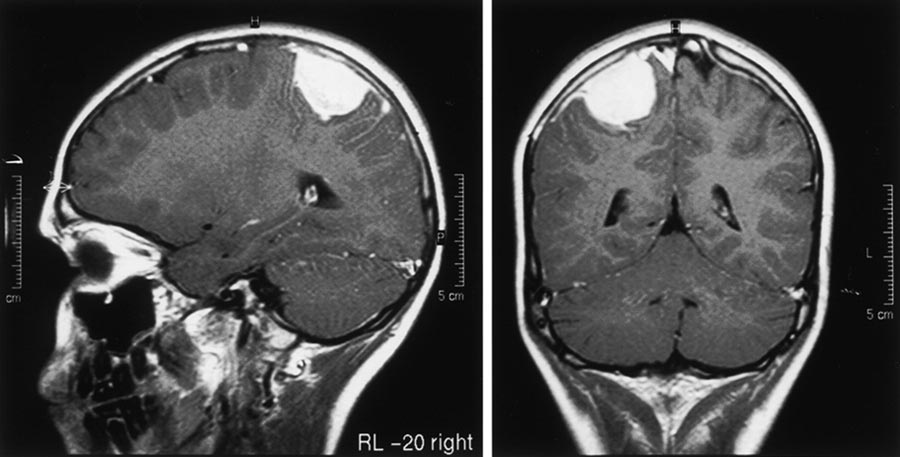
Meningiomas are brain tumors, usually benign, that starts in the cells that cover the surface of the brain. They grow in the region of the cerebral hemispheres or at the level of the cranial base (meningioma of the cavernous sinus), and are characterized by rather slow growth and in most cases without infiltration of the brain tissue that surrounds them.
Among the first manifestations of meningioma, is epilepsy and alterations of behavior. Depending on the precise location of the meningioma, there may be difficulty speaking or moving an arm or leg. The headache which is the most common symptom for many other brain diseases, in this case, is rather rare. In some cases, discoloration of the scalp may also occur at the site of the meningioma, which takes the form of the meningioma itself. They are rounded and have a diameter of a few centimeters.
Often the diagnosis of meningioma occurs in a completely random manner when tests are prescribed such as MRI or CT scan to check other ongoing problems (for example for a history of headache or a head injury). This happens because in 70% of the cases the meningiomas are asymptomatic.
Once the diagnosis of meningioma has been ascertained, the neurosurgeon can evaluate different treatment options that mainly depend on the nature of the pathology.
The first therapeutic indication is usually represented by the surgical intervention that allows the total or partial removal of the tumor. In the case of meningiomas of the skull base, and in particular of the cavernous sinus, the treatment of stereotactic radiosurgery with Gamma Knife is beneficial, which allows excellent control of tumor growth with very low risks. Radiation therapy, on the other hand, is indicated in the presence of an aggressive meningioma or as a complement to surgery.
Gamma Knife radiosurgery is a technique for intracranial stereotactic radiosurgery. It can be useful for intervening on primitive brain tumors, such as meningiomas. Treatment with Gamma Knife allows targeting the meningioma with a beam of radiation.
The patient will be slightly sedated, then the stereotaxic helmet will be applied to him with local anesthesia. He will be subjected to MRI tests of the brain with gadolinium. These images allow the specialist to plan the treatment. Once the plan is completed, the patient will be lying down with the stereotaxic helmet attached to the Gamma Knife couch. The procedure can last from one to six hours, depending on the patient’s needs and the target to be irradiated.
The Gamma Knife treatment is a minimally invasive procedure, takes place in a single session and is free of pain and surgical incisions. The process is almost always outpatient, and the discharge of the patient usually takes place the same day.
The procedure is not painful, the patient may experience pain only when positioning the four small metal pins to stabilize the helmet. During the actual treatment, the patient will initially perceive slight movements of adaptation of the head to the machine, but will not feel either pain or noise.
The risks associated with this procedure can be neurological disorders, stroke, epileptic seizures, pain following treatment in a minute number of people.
Patients with meningiomas that do not exceed 3.5 cm in diameter may be treated.
Follow up
The results of the procedure are not immediate. The patient will be informed about the checks to be carried out at the time of discharge.
The effect of radiation occurs after weeks and/or months. Sometimes the irradiation with Gamma Knife may not be sufficient to solve the problem, and the neoplasm could continue to grow. Therefore, further treatments may be necessary, either Gamma Knife or craniotomy surgery.
Gamma Knife surgery is done at many hospitals in India such as PGIMER in Chandigarh and Hinduja Hospital in Bangalore. The most well-known center is of course at NIMHANS Bangalore. The cost ranges from INR 1 lakh to 2 lakhs per session or cycle or USD 1,400 to 1,800. If craniotomy is required, that is about the same cost as brain tumor operations and ranges between INR 3 lakhs and 5 lakhs or USD 4,200 and 7,000.
Continue reading
There are many couples all over the world who even after several years of marriage are finding it difficult to conceive their child. There may arise infertility issues in any of the partner, be it the husband or the wife. It is a wrong notion that it is only the female partner who is not able to get pregnant. According to the health experts, infertility issues suffered by any of the partner are likely to become a major hurdle towards conceiving a biological baby. Fortunately, the introduction of advanced technology has made it possible for such couples to enjoy availing IVF (Invitro Fertilization) procedure to conceive their own babies. This particular remedy has proven to be a boon for the millions who now are able to enjoy its numerous benefits. They can contact the Best IVF Hospital in India to get their issues diagnosed and to seek the most appropriate remedy.
IVF is considered to be a procedure involving assisted reproduction to help couples suffering from fertility issues and not able to conceive a child. A special medication is provided to the female partner for ovary stimulation, thereby leading to enhanced egg production. Such eggs are harvested surgically after they ripen. Then from male partner is taken sperms, which gets combined in the lab with the eggs of the female partner. It is the lab setting that the embryos are allowed to grow for about 3-5 days. The viable embryos are implanted onto the uterus of the woman. After a week, the conducts a pregnancy test to check the progress results of the implanted embryos. Pregnancy can be expected during the very first cycle or depending upon 30% average success rate. For the IVF to achieve success and for pregnancy to take place, there might be required more than a single cycle.
The health experts however, opine that conducting IVF procedure does not actually guarantee 100% pregnancy. Rather, it boosts the chances and has become the method of choice for millions all over the world. There have been successful stories of couples who have been able to conceive this artificial way and have brought joy to their families. Again, the selection of the doctor and the facility is of great importance to make this treatment procedure a grand success.
However with age, the chances of success decrease tremendously. Hence, medical experts recommend IVF before 35-40 ages. There have also been surprising reports of women being on their brink of menopause to get pregnant on availing IVF treatment from the best IVF hospital in India. But this is rather not the recommended age. The much younger the woman is, more are likely to be enjoyed the chances of success. Although this procedure is surrounded by some religious, moral and ethical debate, there is no denying this fact that childless couples can once again dream of having their own biological child and become parents like the others. This procedure is completely safe and the number of couples availing it is only increasing with numbers with each passing year.
Continue reading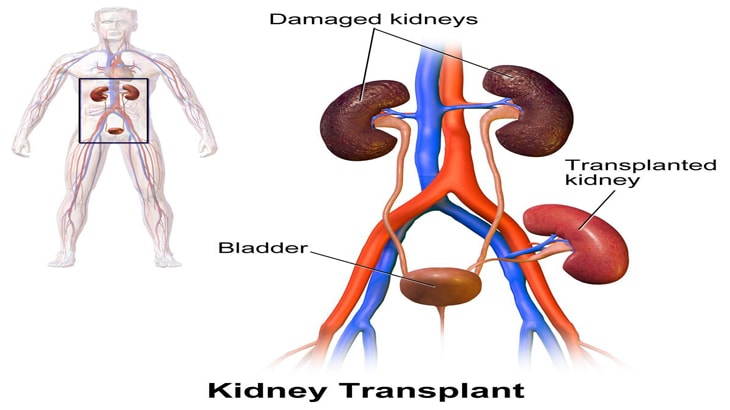
The kidneys play an essential and vital function for the survival of the human body because, in addition to allowing the production of urine to eliminate substances that are otherwise toxic to our body, they are also able to regulate and maintain balance some factors that would enable the regular functioning of our metabolism.
Kidney transplantation is a surgical procedure in which a kidney from a donor is placed in the body of a patient with terminal renal failure. This is not a new procedure. The first renal transplant was performed in 1954, and it has become a life-saving treatment for many patients with acute renal failure. It is performed in India from 1965 and is a widely practiced therapy.
Various diseases, unfortunately, can damage the kidneys and some of these lead inevitably to the loss of their function. When this happens, the only therapeutic options for the patient are dialysis and kidney transplantation.
The surgery involves the union of the blood vessels of the kidney with the iliac vessels of the recipient and the attachment of the ureter, coming from the same donor to the bladder.
As is necessary in the case of all organ or tissue transplants even in the case of kidney transplantation, in order to preserve the functionality of the transplanted organ, the patient must be given immunosuppressive drugs that serve to modify the immune system which, otherwise, would tend to destroy (reject) the new kidney.
Most patients with chronic renal failure may be candidates for kidney transplantation. There is no defined age limit beyond which transplantation is not performed: in general, patients under the age of 70 can be transplanted; however, the state of health and general well-being is also essential.
For the introduction on the waiting list for a transplant, the clinical history, previous surgical interventions, including previous transplants and the existence of heart, lung or liver diseases will also be considered.
All these elements will be carefully evaluated for each individual patient, during a nephro-surgical visit, in order to ensure for all patients the best decision.
Since only human kidneys can be transplanted in humans, each kidney transplant implies the presence of a donor. The two types of kidney donors are:
Living donor – The donation of a kidney from a living donor is typically performed by a family member both of same ancestry and unrelated. As for the donor, kidney withdrawal carries the same risks as all surgical procedures under general anesthesia. The remaining kidney will also be able to do the work of the donated kidney. The living donor has an absolutely normal life expectancy, and the donation of the kidney does not imply any restriction both in terms of lifestyle and physical activity.
Deceased donor– A deceased donor is a person with irreversible brain damage who has been declared dead. Recipients are selected from patients on the waiting list based on blood group and tissue compatibility, age group and waiting time on the list.
Many factors can contribute to determining which will be the best choice in your case. The group of surgeons and nephrologists at your treatment center in India will evaluate together with you all the various aspects of the different options to arrive at the best choice.
In most cases, a kidney is sufficient to guarantee an adequate function. However, in recent years the use of donors of more advanced or non-ideal age has led to the simultaneous transplantation of both kidneys obtaining the transplantation of a greater functioning renal mass, with very satisfactory results.
The cost of a kidney transplant in India may be as low as INR 4 lakhs at a state-run facility, and it can climb to INR 11 lakhs at a private hospital that is USD 5,500 to 15,000. This is extremely cheap compared to the rest of the world where it costs about USD 100,000. The hospitals in India boast of a 90% success rate in kidney transplants making it the choicest destination for many patients. India has a vast network of hospitals both state-run and private that offer top-notch kidney transplant operations.
Continue reading
Infertility issues are fast becoming a major problem among couples all over the world and they do face problems in conceiving a child. These days, people in huge numbers do rely upon advanced medical technique known as IVF or In Vitro Fertilization. The major reason for infertility issues to take place is among couples who plan to have children at very late age. There is also noticed very high incidence of STD (sexually transmitted diseases). But before trying to avail IVF treatment, it will be useful for the couple to know about the different procedures involved and be well prepared for all outcomes.
Discussing with the top IVF specialist can help the couple to know if IVF procedure is meant for them or not. Since a good number of couples have enjoyed the best outcomes, checking with the professionals will be the right step taken to having a child.
Continue reading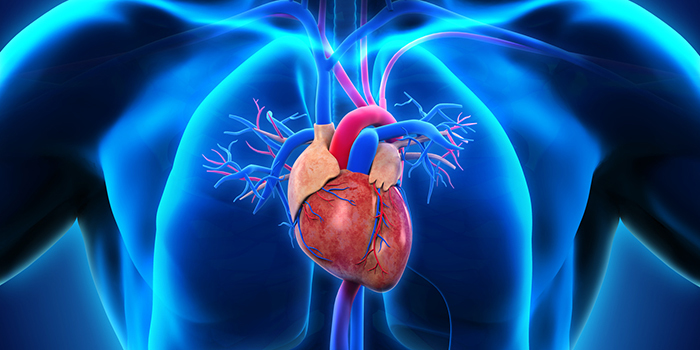
The coronary or heart bypass is the surgical method to restore blood flow to the heart when the coronary arteries through which blood passes are obstructed due to atherosclerosis. It consists in bypassing the narrowing point of the coronary artery with a bridge made up of arteries or veins taken from other parts of the patient’s body, thus allowing the blood to circulate freely in the heart muscle again.
Cost is probably the most important factor for someone seeking bypass surgery. It is a crucial surgery as the life of the patient depends on it. The average heart bypass surgery cost in India is USD 5,500 or about INR 4,00,000. It is less than a tenth of the price in the USA and a third of what is required in Singapore.
Minimally Invasive heart bypass surgery cost in India would be more at about USD 7,000 or INR 5,04,000. This operation is done through a smaller incision and not completely open heart surgery. The type of hospital and standard of the room was chosen also has a significant effect on the total expenditure. One has to take into account that total hospital stay is about 9 days but in all those coming from abroad need about 20 days in India to meet a surgeon and have required tests done.
Arriving at a foreign country for an urgent surgery can be frightening but medical tourism is well developed in India, and every possible facility will be offered from airport pickup and drop to the arrangement for the hotel stay.
The by-pass is performed when enough blood does not reach the heart, through the coronary arteries, to meet all of its needs and is therefore referred to as ischemic heart disease. This situation manifests itself with chest pains (angina pectoris) under stress or even at rest, or it can start directly with a heart attack. In more rare cases it does not show signs of itself and can only be ascertained through various investigations, in particular, coronary angiography. Since angioplasty was introduced, indications for surgery have been reduced. In cases where drugs and lifestyle fail to keep the disease under control, it is usually tried first to remove the obstruction with angioplasty:
First of all, it is necessary to take from the patient the blood vessels to be used for the bridge which will bypass the obstacle constituted by the obstruction of the coronary artery. The saphenous vein of the leg, the internal mammary artery, which is already inside the thorax, or the radial artery of the arm is usually used. Using the patient’s own structures as “spare parts” avoids the risk of rejection and the formation of smaller vessels will compensate for the absence of the removed vein or artery. To carry out the operation, open the thoracic cavity and reach the heart, where the portions of the blood vessels previously collected elsewhere can be sewn onto the blocked coronaries, upstream and downstream of the block. To do this it is usually necessary to temporarily stop the heart by cooling it; in the meantime, the circulation is maintained by a mechanical pump, also called heart-lung machine, to which the patient is connected.
The bypass is a demanding procedure that must be performed under general anesthesia and generally lasts from 3 to 5 hours. When leaving the operating room, it takes a day or two in an intensive care unit to keep the patient under control. Subsequently, they are moved to another department usually for a few days before discharge. The hospitalization in total does not exceed 8-10 days.
Complete recovery takes 6 to 12 weeks. Everyone has their own times, which will from time to time agree with the treating physician.
The by-pass allows to relieve the pain in the chest of the patient, allowing him to gradually return to work that due to ischemic heart disease he could no longer perform. It, therefore, improves its quality of life and prolongs its survival. However, it does not replace the need for a healthy life or take scrupulously the medicines prescribed by the doctor.
Continue reading
For every type of health issue, you can find a doctor. There are health specialists who can give you a great treatment, proper assistance and cure your problem. But the first step you have to take. You have to ensure that you go to see the doctor. Have you ever heard of ENT doctor?
What does ENT stand for: Ear, Nose, and Throat? Thus, an ENT doctor specializes in ailments related to all these three organs of the body. But, why and when would you need an ENT specialist? Running or blocked nose, earaches, sinus headaches, tonsils – none of these seem to be such serious health issues that may require a specialist. While all of these can be resolved with home remedies or general medications, at times when they worsen, you may always visit a general practitioner or your family doctor, can’t you? So, the question is why you should see a specialist?
Ear, Nose, Throat is what ENT stands for. Thus, an ENT doctor has done specialisation in ailments linked to all these three organs of the body. But, the point is why and when would you require an ENT specialist? Of course, many of you might be thinking that running or blocked nose, sinus headaches, earaches, tonsils – none of these things seem to be a serious health issue that could require a specialist. Certainly maybe all of these issues can be resolved with home remedies or usual medications, at times when they get worsen, you might always visit a general practitioner or the family doctor.
Actually an ENT specialist is who you will wish to see once the above mentioned issues get serious, lengthy, or regular ones. To have a constantly running nose, experiencing earache every day, having issues with your throat on a daily basis is not all normal. Once in a while, all of these issues could seem alright, but otherwise, you surely require special consultation. Certainly, you can find the best ENT surgeons in India who can help you heal and get back on track.
ENT doctors are specialists who have successfully finished their medical school, but have stepped further into learning about ENT issues in detail for another five years. After getting certified, ENT doctors are in a position to treat diverse types of illnesses linked with the ears, nose, and throat; and sometimes they can even treat the head.
These issues range in everything from simple ear pain and ear infections to that of hearing impairments. ENT specialists can treat such disorders, while also treating balance disorders that are an outcome of the ears, and tinnitus.
Issues in the nose, nasal cavity, and sinuses could cause serious issues with breathing. People may even lose their capability to smell. Nasal polyps, Nasal allergies, and chronic sinusitis could make a person miserable. Furthermore, obstacles in the airways can trigger sleep pane and that would again need consultation of an ENT specialist.
Once you have throat infection, tonsils, or challenges in swallowing, it could be a situation that demands treatment. Further, laryngitis and chronic hoarseness also demand treatment by ENT doctors. ENT specialists can diagnose and even do treatment of problems related to the throat like conditions that affect swallowing, eating, digestion, speech problems and so on.
Since the neck and head are also linked with the ears, nose, and throat, ENT doctors can even treat certain conditions linked with these body areas. These might include any type of deformities, trauma, and even tumours. Issues in the salivary glands can even be treated by ENT specialists. Special ENT surgeon can perform corrective and reconstructive surgeries too that too in an effective manner.
The point is that if you are suffering from any type of these conditions like that of a throat or ear infection, no matter how simple or mild it is, you should visit an ENT specialist. If necessary you must undergo procedures as even mild infections can underline or trigger serious issues that can influence your health later on in life. What is the point if you think that you have a general issue with your health but it turns out to be a big problem?
Thus it is time that you talk to the best ENT surgeons in India and find out what you can do with your current ear, nose and throat problem. They can help you heal.
Continue reading